Trending

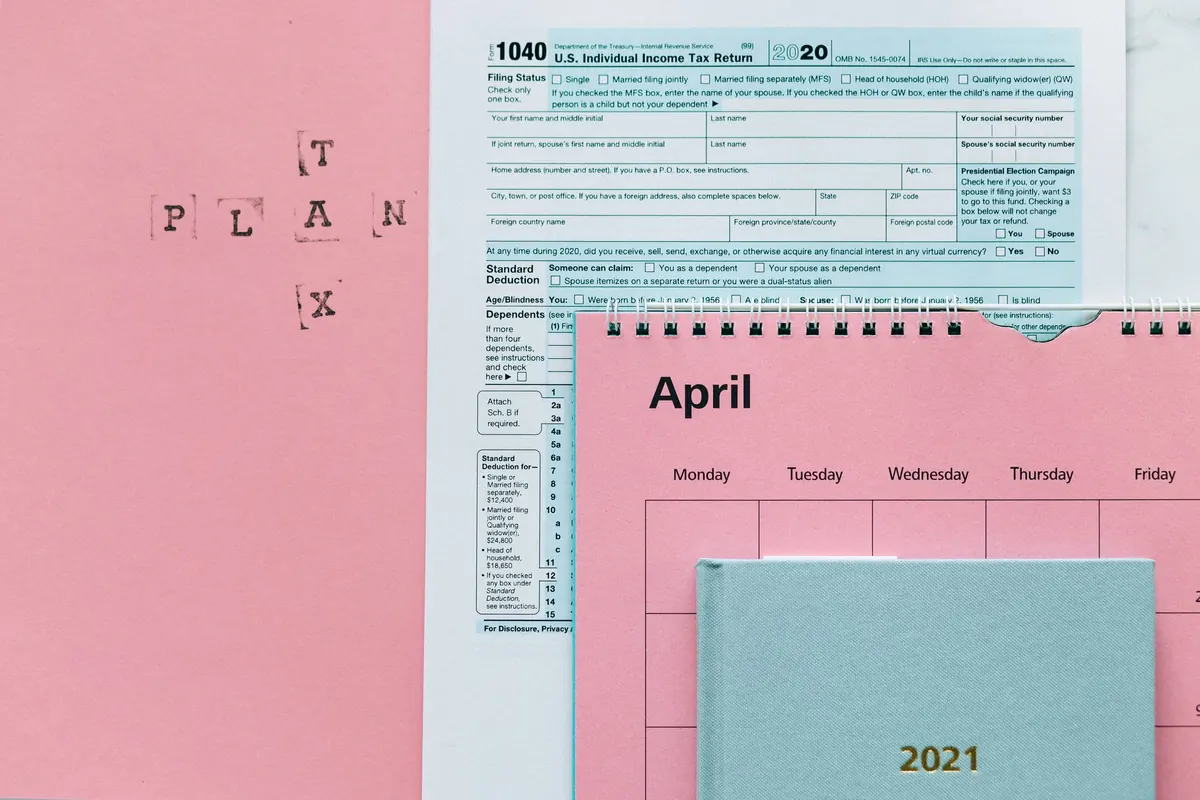
January feels a long way off in April. That distance is exactly why so many Self Assessment returns get filed in a fluster on 31 January, with receipts spread across three email accounts and a shoebox. The deadline itself never moves. The work behind it can be spread out — and once it is, filing takes an afternoon rather than a fortnight.
Here is how the tax year actually unfolds, and what is worth doing at each stage.
The UK tax year runs from 6 April to 5 April. A return covers one of those years and is due the following January. The 2024/25 tax year ended on 5 April 2025, so the return — and any tax still owed — is due by 31 January 2026.
Most people on Self Assessment also make payments on account: two instalments towards the following year's bill, due on 31 January and 31 July. You are usually asked for them if your bill is over £1,000 and less than 80% of it was collected through PAYE. So January is rarely about one year. Often it is two bills at once.
Nothing is due in this window, which is exactly what makes it valuable.
If you are a sole trader, work out a rough percentage of each invoice to hold back for tax and National Insurance, and shift it to a separate account the week the money arrives. A rough figure still beats a January shock, and you can adjust it once the real bill is known.
HMRC expects records to be kept for at least five years after the 31 January filing deadline. In practice, you want purchase receipts, bank statements, mileage logs, sales invoices, and details of anything else that counts as income — dividends, rental income, savings interest. Filing them monthly takes minutes. Reconstructing them in January takes days.
31 July is the quiet deadline, and the one most often forgotten. It is the second instalment towards the current year's tax, based on your last bill.
If your income has fallen, you can apply to reduce your payments on account. Do it honestly and with figures you could defend. Reduce them too far and HMRC will charge interest on the shortfall, and can add a penalty if a claim is made carelessly or deliberately. If you are unsure whether a reduction is justified, that is a good moment to ask an accountant.
This is where the tax return stops being a form and becomes a set of figures. Spend an evening on it:
Do this now and you will spot gaps while there is still time to chase a missing statement. Wait until January and the same gap becomes a delay.
If you started self-employment or began receiving income that needs declaring, you normally have to tell HMRC by 5 October following the end of the tax year in which it started. Missing that date can trigger a penalty for failing to notify, even if no tax turns out to be due.
Registering is not the same as filing. You can register as soon as you start trading and file months later. Plenty of new sole traders assume registering means paying straight away, and delay both.
The online return for the previous tax year is generally available from early April. Two autumn dates matter:
Filing in November or early December is the single biggest favour you can do yourself. Your liability gets worked out while there is still time to check it, query it, and plan the payment rather than find it.
31 January is both the filing deadline and the payment deadline: the balancing amount for the year just reported, plus the first payment on account for the next one.
Late filing penalties build in stages:
Late payment is charged separately: 5% of the unpaid tax at 30 days, six months and twelve months, plus daily interest. Returning the form late and paying late are two different failures, and both hurt.
One practical tip: if you cannot pay in full, file on time regardless. The filing penalty is automatic, but the payment side can often be managed with a time to pay arrangement agreed with HMRC in advance. Let it sit and the charges stack up.
The people who file calmly are not more organised by nature. They simply close the year early. Set a date in your diary for the first week of May to reconcile the previous tax year, and a second date in early December to file. By then, filing is a case of typing in numbers you already trust.
Keep three things running in the background: a separate tax savings account, a folder for the year's records, and a rough note of anything unusual as it happens. That is the whole system.
Tax rules change and everyone's circumstances differ, so treat this as a map rather than advice for your specific position. If you have multiple income sources, a limited company, or a year with something complicated in it, a bookkeeper or accountant will usually save you more than they cost.
Photo: Nataliya Vaitkevich / Pexels